


Effective Training Treats for Dogs: High-Reward Dog Training Treats - A Guide
Training your dog can be a rewarding experience for both of you. One of the key elements to successful training is using the right treats. Not all treats are created equal, and choosing effective training treats for dogs can make a big difference in how quickly your furry friend learns new commands and behaviours. In this guide, I’ll walk you through everything you need to know about high-quality, natural treats that will keep your dog motivated and eager to learn.
Why Choosing Effective Training Treats for Dogs Matters
When training your dog, treats act as positive reinforcement. They tell your dog, "Well done! Keep doing that!" But if the treat isn’t appealing enough, your dog might lose interest or get distracted. That’s why it’s important to pick treats that are not only tasty but also healthy and easy to handle during training sessions.
Effective training treats for dogs should be:
Small and easy to chew: You want your dog to eat the treat quickly so training can continue smoothly.
Highly palatable: The treat should be something your dog really loves.
Natural and healthy: Avoid treats with artificial additives, fillers, or excessive sugar.
Low in calories: Since you’ll be giving many treats during training, you don’t want to overfeed your dog.
Using the right treats helps maintain your dog’s focus and enthusiasm. It also supports their overall health, which is especially important for dogs with dietary sensitivities or allergies.

What Makes a Treat High-Reward?
A high-reward treat is one that your dog finds irresistible. These treats are often reserved for the most important training moments, like learning a new trick or correcting behaviour. They are more valuable than everyday snacks and help your dog understand that the task they just completed was exceptional.
Here are some characteristics of high-reward treats:
Strong aroma and flavour: Dogs rely heavily on their sense of smell, so treats with a strong scent tend to be more enticing.
Soft texture: Soft treats are easier to chew quickly, which keeps training sessions fast-paced.
High protein content: Protein-rich treats are often more satisfying and nutritious.
Limited ingredients: Simple recipes reduce the risk of allergies and digestive upset.
You might want to keep a special stash of these treats separate from your dog’s regular food. Use them sparingly to keep their value high.
What are the Highest Reward Dog Treats?
When it comes to the highest reward dog treats, natural options often top the list. Here are some examples that many dog owners find effective:
Freeze-dried liver - This treat is packed with flavour and nutrients. It’s soft, easy to break into small pieces, and dogs usually find it irresistible.
Dehydrated chicken or turkey strips - Lean and protein-rich, these treats are perfect for training sessions.
Cheese cubes - Many dogs love cheese, but be mindful of lactose intolerance. Use small cubes to avoid overfeeding.
Peanut butter bites - Look for natural peanut butter without added sugar or salt. You can freeze small dollops on a tray for a tasty treat.
Salmon or fish jerky - Rich in omega-3 fatty acids, these treats are both healthy and delicious.
Remember to always check the ingredients list and avoid treats with artificial preservatives, colours, or flavours. Also, consider your dog’s dietary needs and any allergies they may have.
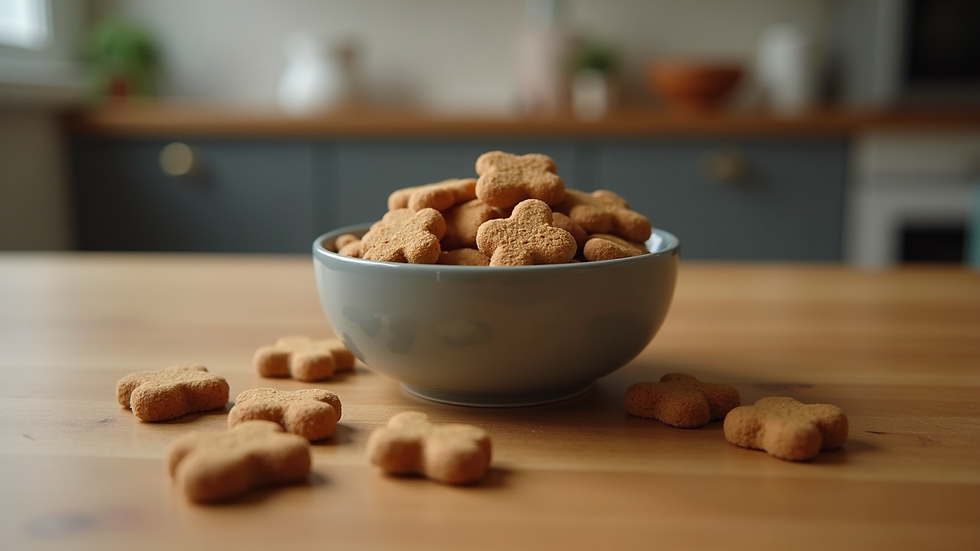
How to Use High-Reward Treats Effectively in Training
Using high-reward treats effectively means timing and consistency are key. Here are some tips to get the most out of your treats during training:
Use treats immediately after your dog performs the desired behaviour. This helps them connect the action with the reward.
Keep treats small so your dog doesn’t fill up too quickly.
Mix high-reward treats with lower-value ones during longer sessions to maintain motivation without overfeeding.
Pair treats with praise and affection to reinforce positive behaviour.
Gradually reduce treat frequency as your dog masters commands, replacing treats with verbal praise or play.
By following these steps, you’ll build a strong bond with your dog and make training a fun, positive experience.
Tips for Choosing Natural, High-Quality Dog Treats
When shopping for dog treats, especially for training, it’s important to prioritise quality. Here’s what to look for:
Ingredients sourced from trusted suppliers: Look for treats made with UK-sourced meats or vegetables.
No artificial additives: Avoid treats with synthetic colours, flavours, or preservatives.
Clear labelling: Choose products that list all ingredients transparently.
Appropriate size and texture: Select treats that suit your dog’s size and chewing ability.
Nutritional balance: Treats should complement your dog’s regular diet, not replace it.
If you prefer, you can also make your own training treats at home using simple recipes with natural ingredients like pumpkin, oats, and chicken.
For those looking for reliable options, I recommend checking out high reward dog training treats that meet these standards and support your dog’s health and training goals.
Making Training Fun and Rewarding for Your Dog
Training is not just about commands and obedience - it’s about building a relationship. Using the right treats helps keep your dog engaged and happy. Here are some final tips to make training enjoyable:
Keep sessions short and frequent - 5 to 10 minutes several times a day works best.
Be patient and consistent - Every dog learns at their own pace.
Celebrate small wins - Reward progress, not just perfection.
Use a variety of treats - This keeps your dog curious and excited.
Incorporate play and affection - Treats are just one part of the reward system.
With the right approach and the best treats, training becomes a positive experience that strengthens your bond and helps your dog thrive.
I hope this guide helps you find the perfect treats to support your dog’s training journey. Remember, the key is to choose natural, high-quality options that your dog loves and that keep them motivated. Happy training!


Comments