


Merry Christmas to Our Customers and Essential Holiday Safety Tips for Your Dogs
- Kerry Roe
- Dec 16, 2025
- 3 min read
The holiday season brings joy, warmth, and festive celebrations. It’s a time when families gather, decorations light up homes, and delicious treats fill the kitchen. While we wish all our customers a merry Christmas filled with happiness, it’s also important to remember the safety of our furry friends during this busy time. Dogs are part of the family, and their well-being should never be overlooked, especially during the holidays.
Many common Christmas traditions can pose risks to dogs, from certain foods to decorations. This post shares essential tips to keep your dog safe and happy this Christmas, so you can enjoy the season without worry.

Why You Should Avoid Giving Your Dog Christmas Treats
It’s tempting to share holiday treats with your dog, but many festive foods can harm them. Chocolate, grapes, raisins, onions, garlic, and alcohol are toxic to dogs and can cause serious health problems. Even small amounts can lead to vomiting, diarrhea, seizures, or worse.
For example, chocolate contains theobromine, which dogs cannot digest. Eating chocolate can cause rapid heart rate, tremors, or even death in severe cases. Grapes and raisins can lead to kidney failure. Onions and garlic damage red blood cells, causing anemia.
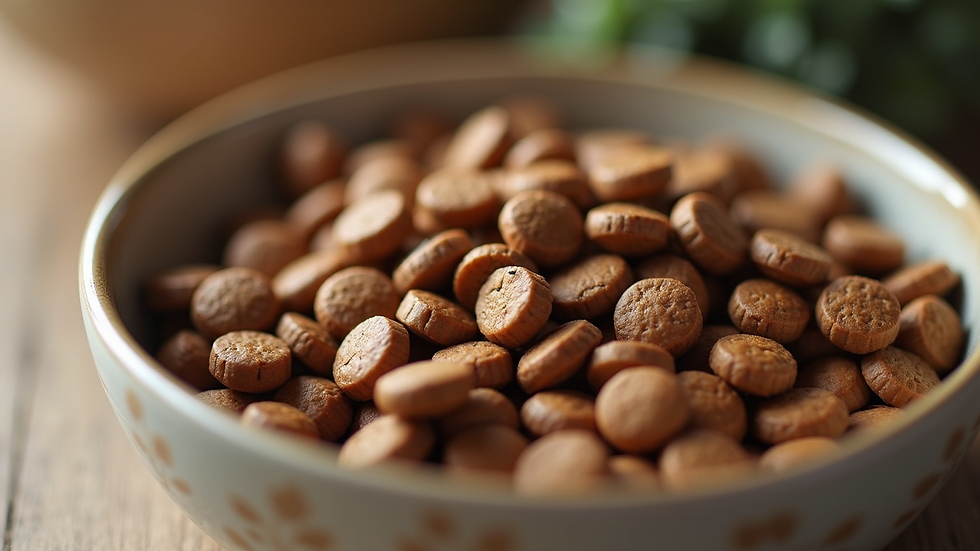
Instead of sharing your Christmas dinner, offer your dog safe treats made specifically for pets. Many pet stores sell holiday-themed dog treats that are both tasty and safe. You can also prepare simple homemade snacks like small pieces of cooked chicken or carrots.
Keep Decorations Out of Reach
Christmas decorations add charm to your home but can be dangerous for dogs. Tinsel, ribbons, and small ornaments can cause choking or intestinal blockages if swallowed. Electric lights pose a risk of burns or electric shock if chewed.
Place fragile or small decorations high up or in rooms your dog cannot access. Secure cords and wires to prevent chewing. Avoid using edible decorations like popcorn strings or candy canes within your dog’s reach.
If you notice your dog showing interest in decorations, redirect their attention with toys or treats. Providing plenty of exercise and mental stimulation can reduce curiosity about holiday items.
Watch Out for Holiday Plants
Some traditional Christmas plants are toxic to dogs. Poinsettias, mistletoe, holly berries, and amaryllis can cause symptoms ranging from mild irritation to severe poisoning.
Poinsettias may cause drooling and vomiting, while mistletoe and holly berries can lead to gastrointestinal upset and heart problems. Amaryllis bulbs are highly toxic and can cause tremors and low blood pressure.
Keep these plants out of your dog’s reach or choose artificial alternatives. If your dog accidentally ingests any part of these plants, contact your veterinarian immediately.
Maintain Your Dog’s Routine
The holidays often disrupt daily schedules, but dogs thrive on routine. Changes in feeding times, walks, and playtime can cause stress or anxiety.
Try to keep your dog’s routine as normal as possible. Feed meals at regular times, maintain daily walks, and provide quiet time away from holiday noise and guests. If your dog is nervous around visitors, create a safe space where they can relax.
Avoid Alcohol and Toxic Foods
Alcohol is dangerous for dogs and can cause vomiting, diarrhea, difficulty breathing, and even coma. Keep all alcoholic drinks out of reach and never offer them to your dog.
Be cautious with holiday leftovers. Fatty foods like turkey skin or gravy can cause pancreatitis, a painful inflammation of the pancreas. Bones, especially cooked ones, can splinter and cause choking or internal injuries.
Dispose of food scraps carefully and educate family and guests about what is safe to share with your dog.
Provide Safe Toys and Chews
Holiday excitement can lead to boredom or stress in dogs. Providing safe toys and chews helps keep them occupied and reduces the chance they will chew on decorations or furniture.
Choose durable toys appropriate for your dog’s size and chewing habits. Avoid toys with small parts that could be swallowed. Puzzle toys or treat-dispensing toys can also provide mental stimulation.
Emergency Preparedness
Despite all precautions, accidents can happen. Keep your veterinarian’s contact information and the nearest emergency animal hospital handy during the holidays.
Signs of poisoning or distress include vomiting, diarrhea, excessive drooling, difficulty breathing, seizures, or unusual behavior. If you suspect your dog has ingested something harmful, seek veterinary help immediately.


Comments