


Smooth Transition to Raw Dog Food: Raw Dog Food Transition Tips
Switching your dog to a raw food diet can be a rewarding choice. It often leads to better digestion, shinier coats, and more energy. However, making the change smoothly is key to avoiding upset tummies and ensuring your dog enjoys the new meals. I want to share practical advice and tips to help you make this change confidently and safely.
Why Choose Raw Dog Food?
Raw dog food mimics what dogs would naturally eat in the wild. It usually includes raw meat, bones, organs, and some vegetables. Many dog owners in the UK are turning to raw diets because they want to feed their pets natural, high-quality food without additives or fillers.
Feeding raw can improve your dog’s health in several ways:
Better digestion and smaller stools
Healthier skin and coat
Increased energy and vitality
Stronger immune system
Of course, it’s important to do it right. A sudden switch can cause digestive upset. That’s why I recommend a gradual approach.

Raw Dog Food Transition Tips
Here are some simple, effective tips to help your dog adjust to a raw diet without stress:
1. Start Slowly
Begin by mixing a small amount of raw food into your dog’s current diet. For example, start with 10% raw food and 90% regular food. Over 7 to 10 days, gradually increase the raw portion while decreasing the old food.
2. Watch for Reactions
Keep an eye on your dog’s stool, energy levels, and appetite. Some loose stools or mild digestive changes are normal at first. If you notice vomiting, diarrhea, or lethargy, slow down the transition or consult your vet.
3. Choose Quality Ingredients
Use fresh, high-quality raw meat and organs. Avoid processed or low-grade products. If you’re unsure, speak to a trusted supplier who specialises in natural pet food.
4. Keep It Balanced
A balanced raw diet includes muscle meat, bones, organs, and some vegetables or fruits. You can find recipes online or consult a pet nutritionist to ensure your dog gets all necessary nutrients.
5. Maintain Hygiene
Raw food can carry bacteria, so clean your dog’s bowls and your preparation area thoroughly. Wash your hands after handling raw meat.
6. Be Patient
Some dogs take longer to adjust. Keep offering the raw food and stay consistent. Most dogs will come to enjoy their new meals.
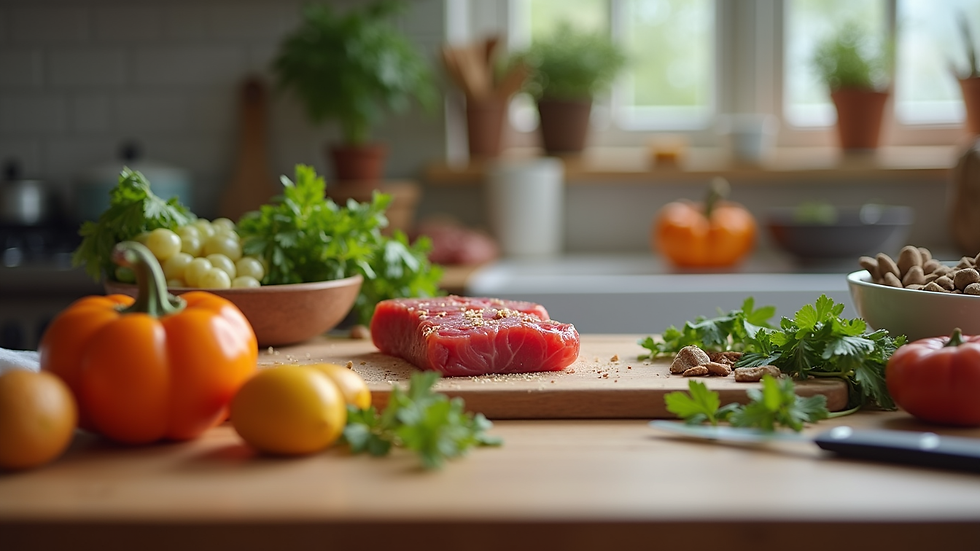
What is the Best Diet for a Dog with Lymphoma?
When a dog is diagnosed with lymphoma, diet becomes even more important. A raw diet can support their immune system and overall health, but it must be carefully planned.
Veterinarians often recommend diets rich in protein and low in carbohydrates for dogs with lymphoma. Raw diets can fit this profile well, but you should:
Consult your vet or a pet nutritionist before making changes.
Focus on high-quality proteins like chicken, turkey, or beef.
Include organ meats for essential vitamins and minerals.
Avoid grains and fillers that may stress the immune system.
Monitor your dog’s weight and condition closely.
Every dog is different, so tailor the diet to your pet’s needs and treatment plan.
How to Handle Common Challenges
Switching to raw food can come with a few bumps. Here’s how to handle some common issues:
Picky Eaters
If your dog refuses raw food, try warming it slightly or mixing in a favourite treat. Sometimes adding a bit of cooked chicken broth can entice them.
Digestive Upset
If your dog has loose stools, slow the transition. You can also add probiotics or plain pumpkin to soothe the gut.
Cost and Storage
Raw food can be more expensive and requires freezer space. Plan your shopping and storage carefully. Buying in bulk and portioning meals can save money and time.
Final Thoughts on Raw Dog Food Transition
Making the switch to raw food is a journey. It takes time, patience, and attention to your dog’s needs. By following these raw dog food transition tips, you can help your dog enjoy a natural, nutritious diet that supports their health and happiness.
If you want to learn more about how to transition to raw dog food, take your time and gather all the information you need. Your dog will thank you for it with a wagging tail and a healthy glow.
Happy feeding!


Comments